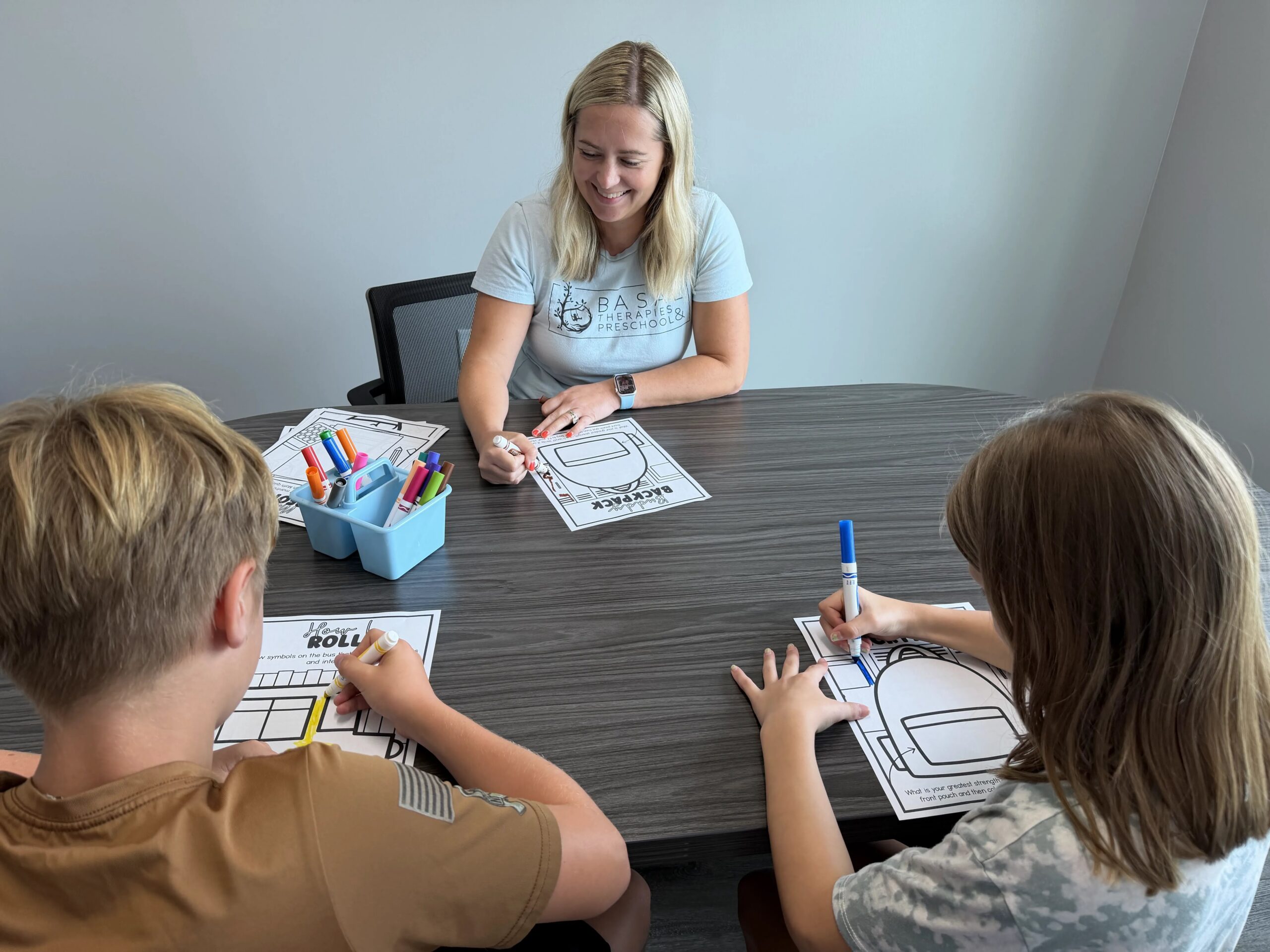
The first day of school is creeping up on us. Frederick classrooms are about to be filled with backpacks, energy, and… anxiety? Let’s talk about that.
A little worry before the first bell is common, and for most kids it passes quickly. But how do you tell ordinary jitters from first-day-of-school anxiety? For many families, back-to-school anxiety shows up for a week or two and then fades as routines settle in. For others, it lingers, potentially causing issues that should be addressed.
What Normal Back-to-School Anxiety Looks Like
For most kids, back-to-school anxiety looks less like a crisis and more like a bumpy transition. Typical signs include:
- Butterflies in the stomach on the way to school or during breakfast
- Trouble falling asleep the night before, or waking up earlier than usual
- Clinginess or a tough goodbye at drop-off
- A stream of questions about the school day
These reactions are the body’s way of preparing for something new. A new teacher, grade, or building can feel like a lot to take in. Luckily, this kind of back-to-school anxiety usually eases within the first week or two, as the unknowns become known and routines take hold. It’s not so different from how we deal with big changes as adults! After all, you likely have plenty of questions about an upcoming vacation, and you probably get a little sad saying goodbye to your pets for the week.
For parents with kids approaching preschool, our readiness checklist can help you prepare!
When It’s More Than First-Day Nerves
Sometimes, what looks like first-day-of-school anxiety doesn’t fade the way you’d expect. But if you’re prepared, there’s no reason to panic over it.
Some signs to keep an eye out for:
- Symptoms that persist for several weeks instead of settling down
- School refusal: resistance to getting dressed, into the car, or through the door
- Frequent stomachaches or headaches on school mornings with no other explanation
- Meltdowns that feel bigger than the situation calls for
- Pulling back from friends or activities your child used to enjoy
Every child expresses stress a little differently, so these signs might show up as irritability, sensory sensitivity, or a sudden change in appetite instead of tears at drop-off.
Ongoing anxiety can also start to affect how your child acts and presents in the classroom. What do we mean by this? Focus, work completion, and how they talk about school might all be negatively impacted. We want to emphasize that none of this means something is wrong with your child. It means their nervous system needs more support than time alone can give it right now.
What Parents Can Do At Home
Most families won’t need a professional referral to show them how to deal with back-to-school anxiety. There’s a lot you can do at home first. If you’re searching for how to help a child with anxiety about school, these are the places we would start:
- Build predictable routines. Consistent wake-up times, breakfast, and a goodbye ritual give your child comforting repetition.
- Preview the school day. Walk through what will happen so there are fewer unknowns to worry about.
- Validate the feeling (but don’t over-reassure). “I understand this makes you nervous” lands differently than “You’ll be fine,” which can accidentally tell your child their worry isn’t valid.
- Practice gradual exposure, like a visit to the classroom or a conversation with the new teacher before day one.
- Protect sleep and screen time. Overtired, overstimulated kids have less to work with when anxiety presents itself.
- Involve the school. A quick note to your child’s teacher about your concerns can help carry consistency from home into the classroom.
These are also good answers for how to deal with back-to-school anxiety once the school year is fully underway.
When To Talk To A Pediatric Mental Health Professional
If back-to-school anxiety has lasted more than two or three weeks, is interfering with sleep, friendships, or schoolwork, or is intense enough that mornings feel like a battle, a conversation with a professional can help.
At Basal, these conversations start with an assessment. Our pediatric mental health team builds a full picture of what your child is experiencing before creating a plan. You won’t be left out, though! This process is something we build with the family, you included. Because we’re rooted in Frederick, we also coordinate with your child’s pediatrician, teacher, or school counselor when that adds to the plan. You can learn more about our approach on our Pediatric Mental Health Therapy page.
Ready to Talk It Through?
Back-to-school anxiety, in most cases, is a normal part of a new season settling in. But you don’t have to guess whether what you’re seeing is typical or something worth a second look, and you don’t have to figure out how to help a child with anxiety about school on your own.
If you’re a Frederick-area family with questions about how to deal with back-to-school anxiety this year, we’re here to talk it through.
Reach out to Basal Therapies & Preschool today to schedule a consultation. We’ll help you figure out what’s next, together.
Get in touch!
If you think your child could benefit from our support and services, send us a message!