If you’re a parent researching summer camps, you’ve probably felt a common tension: the quiet worry that the experience won’t go the way the brochure promises. That your child will be present but relegated to the periphery.
There’s a wide gap between camps that call themselves inclusive and camps that actually are. Plenty of programs use the word. Few have built their staffing, environment, and daily programming around what inclusion truly requires. But such places do exist. Places like Basal Therapy & Preschool. The inclusive summer camp programs we offer gives every child the attention they deserve. The attention they need to have a wonderful, fulfilling camp experience. And we don’t leave anyone out
We want to take a few minutes of your time to cover what inclusion looks like at summer camp. It’s important to know what to look for when you’re evaluating your options, common concerns parents bring to us, and how Basal approaches everything from developmental delays to other special needs from the ground up.
What “Inclusive” Really Means at Summer Camp
There’s a difference between integration and inclusion, and it matters for neurodiverse kids. Integration means a child is physically present in the same space as other kids. They’re “included” in the technical sense. True inclusion, on the other hand, means the environment, activities, and people around your child are designed to support their participation. They’re not just present. They’re in a welcoming place!
“True inclusion means your child isn’t just present in the room. It means the room was built with them in mind.”
Three things determine whether a camp is truly inclusive:
- Staff training and expertise: A well-meaning counselor isn’t the same as a licensed therapist who understands sensory processing, communication differences, and behavior as communication. The people running the program matter.
- Group size: Small groups are a structural necessity for children who need more individualized support and fewer unpredictable social variables. Large groups don’t allow for that level of support.
- Environment design: Sensory-friendly spaces, predictable daily schedules, and activities built to work across a range of abilities aren’t accommodations that should be treated like an afterthought. In inclusive summer camp programs, they’re foundational.
Red flags to watch for when evaluating camps: Vague language about “accommodating all kids” with no specifics; no licensed therapists on staff; large group sizes with high camper-to-staff ratios; no mention of sensory accommodations or structured schedules; and no clear process for learning about your child’s needs before camp begins.
Common Parent Concerns
When parents reach out to us about summer camp, a few specific worries come up again and again. Here’s how a thoughtfully designed camp addresses each of them.
Handling Meltdowns & Sensory Overload
Sensory overload is a neurological response, and camps with licensed therapists on staff know this. They build sensory breaks into the day, create quieter spaces where kids can regulate, and read escalation cues before they become a crisis. They also work with parents ahead of time to understand each child’s triggers and strategies.
Navigating Transitions Between Activities
Transitions are one of the most consistent challenges for many kids. Luckily, they’re manageable as long as the space is thoughtfully designed. Predictability is the key. Weekly themes that provide a consistent framework, daily schedules that kids can anticipate, and staff who give advance notice of transitions rather than abrupt shifts make a profound difference. Children with developmental delays especially benefit from this kind of consistent structure.
Peer Dynamics & Social Exclusion
Will the other kids include my child? Will they be kind? This concern is understandable, and the honest answer is that peer dynamics are not fully controllable. But they are shapeable. When all children in a group are in an inclusive summer camp program, they grow up understanding that different ways of communicating, moving, and engaging are simply part of what people are. Staff who model and facilitate peer connection, rather than just supervising from a distance, help friendships form instead of leaving them to chance.
Communication Barriers
Not every child communicates verbally. With this in mind, summer camp shouldn’t require verbal communication to be a full participant. A camp with speech therapy professionals embedded in the programming can support a range of communication styles, including AAC (augmentative and alternative communication) device use, visual supports, and nonverbal cues. Inclusion means the activities allow your child to use their best form of communication.
What to Look for in an Inclusive Summer Camp Program
When you’re evaluating summer camp options, it helps to have a practical checklist to guide your conversations with any program you’re considering.
- Licensed therapists on staff vs. general supervision: Ask who’s leading the program. Are there licensed occupational therapists, speech language pathologists, or mental health professionals onsite, or is the team primarily counselors with general training?
- Small group sizes and staff-to-camper ratios: The lower the ratio, the more individualized attention each child receives. A ratio of 1:5 or 1:6 is a strong indicator of a program serious about support.
- Structured and unstructured activity balance: Structured activities build skills in a supported context. Unstructured time (outdoor play, free choice) is where children practice using those skills more independently.
- Sensory-friendly spaces and accommodations: Does the camp have quieter spaces available? Are sensory needs addressed proactively or reactively?
How Basal’s Summer Camp Is Different
At Basal Therapies & Preschool, our camp isn’t a general program with modifications added on after the fact. It’s a therapeutic camp experience built from the start to serve children across a wide range of abilities, including kids with autism, developmental delays, and other special needs.
Therapist-Led, Not Just Therapist-Supported
There’s a difference between having a therapist available and having therapists woven into the fabric of camp. Our licensed professionals in speech therapy, occupational therapy, and pediatric mental health are part of the team running the program, not a separate resource kids visit once a week.
Inclusive by Design
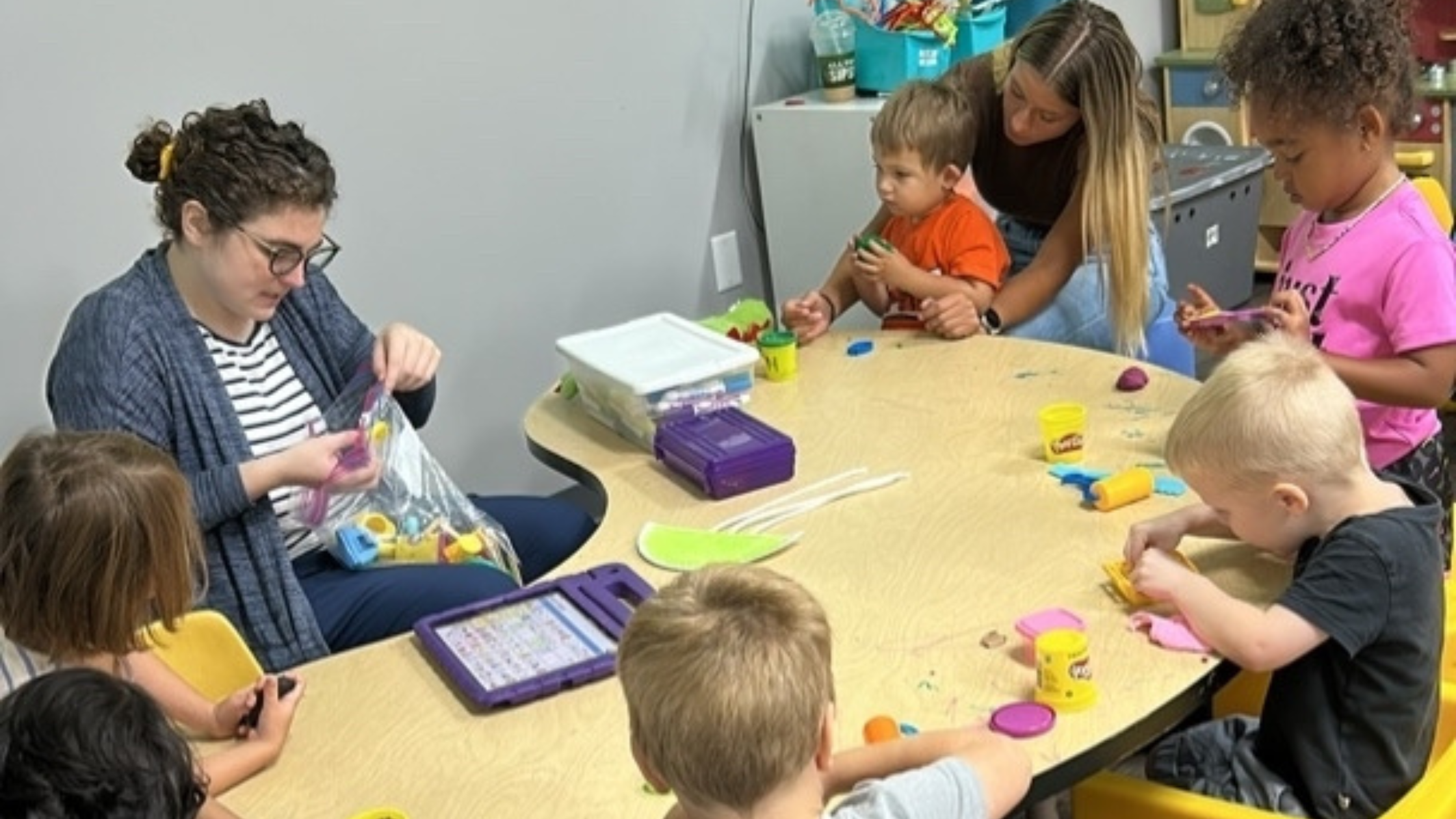
Every activity in our summer camp is built to work across a range of abilities. We do not have a “typical” track and a “special needs” track. All campers engage in the same sensory play, outdoor adventures, creative arts, and social skill-building exercises, with individualized support layered in as needed. This is what inclusive summer camp programs look like in practice.
At Basal, fun and therapy aren’t opposites. They are the same thing, happening at the same time.
Friendships Form Here
One of the things we’re proudest of is that campers form special friendships at Basal. When children with special needs are placed in an environment where everyone belongs and staff facilitate connection, peer relationships develop naturally. Many kids have the desire for friendship without the tools or environment to build it. It’s our job to close that gap.
Predictability That Kids Often Need
Our weekly themes give the entire camp session a consistent, engaging frame. Campers know what to expect. That predictability reduces anxiety and frees up energy for learning and connection. Whether a child is spending one week with us or the full summer, the structure is constant.
Summer Camp Frederick, MD Families Can Count On
We offer before- and aftercare for families who need early drop-off or late pickup. Because we understand that a summer camp Frederick, MD families actually need has to work with real schedules, not just “ideal” ones.
Your Child Deserves a Summer Full of Fun, Growth, and Belonging
If you’ve been hesitant about inclusive summer camp programs, we want you to hear this clearly: Your child deserves the full summer camp experience.
At Basal Therapies & Preschool, we’ve built something where that’s possible. A place where everyone is included whether a child is neurodiverse or not. Where kids with autism, developmental delays, and special needs have the same shot at a great summer as every other kid.
Spots fill up quickly. If you want to learn more or get your child registered, read all about the camp and sign up. We’d love to have your family with us this summer!
Get in touch!
If you think your child could benefit from our support and services, send us a message!