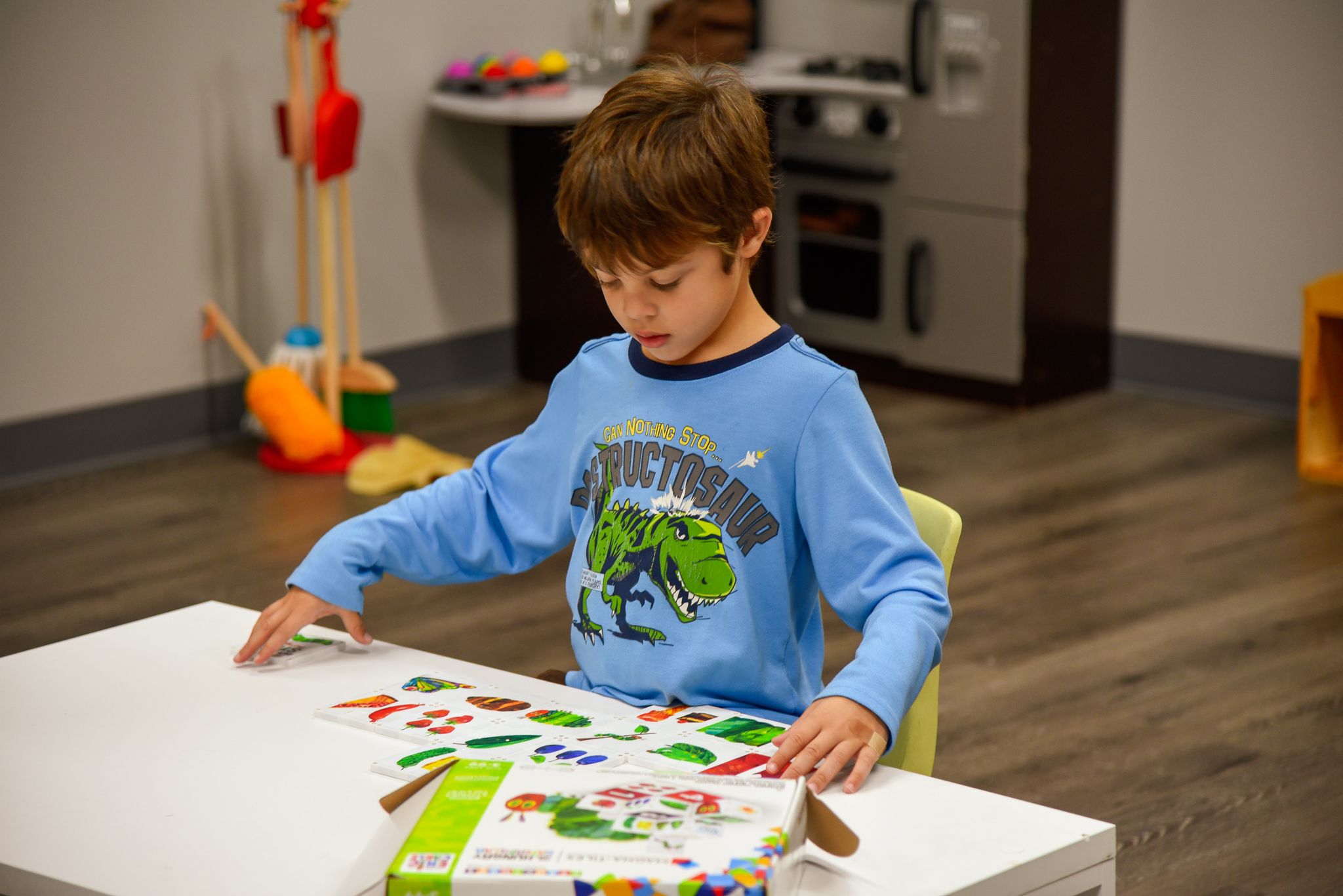
The time for daycare is over. For your growing child, it’s time for the big leagues: preschool. But your little one isn’t the only one who should be getting ready for this monumental change. Even after you’ve chosen the right program for your child well in advance, there’s plenty for you, the parent, to gauge and prepare for in the leadup. Perhaps the biggest question mark lingering in your head is whether your child is “ready” or not. Don’t worry. You’re not alone. Many families need a bit of help from a solid preschool readiness checklist.
The good news? Preschool readiness isn’t about perfection. Think of it more as gradual skill-building over a period of time. You know every child develops at their own rate, and the sequence of events is different, as well. This includes their readiness for the next step! At Basal Therapies & Preschool, the focus is on supporting the child in multiple ways: socially, emotionally, physically, and, of course, academically. But before day one, there are plenty of things you can do to get them excited and ready to take on the world!
Use this preschool readiness checklist as a helpful guide on determining preparedness. It’s not scripture, but it sure is a big help!
Social & Emotional Readiness
A huge part of preschool readiness is how your child navigates their emotions and, in turn, relationships within a group of other kids.
If your child is ready for this big milestone, they may:
- Separate from caregivers with little to no stress (after an expected adjustment period)
- Show interest in interacting with other children
- Express their basic needs, like needing to eat, sleep, or go to the bathroom
- Follow simple directions
- Demonstrate early self-regulation skills, like calming down with assistance
According to multiple studies, social-emotional development in early childhood is an indicator of long-term success in academics. That’s why programs like Basal Therapies & Preschool emphasize supportive, structured play that helps children build confidence and connection.
Is your child struggling in this area? We’re happy to help! Our pediatric mental health and occupational therapy services can provide support before or even during preschool enrollment!
Communication Skills
Communication is key in almost every aspect of our lives, so it makes sense that it’s also an important part of any preschool readiness checklist. We’re not saying your child needs to exhibit perfect speech, but being able to express themselves in simple ways goes a long way.
Look for signs such as:
- Speaking in sentences of at least 3–5 words
- Understanding simple instructions (example: “Please hang your backpack on the rack.”)
- Expressing wants and feelings with words
- Recognizing their name (and responding to it)
Have concerns about speech clarity, vocabulary, or comprehension? Pediatric speech therapy can make a big difference and ensure your child is ready! Families searching for “preschool Frederick, MD” frequently express their excitement over having access to integrated speech therapy and preschool services under one umbrella.
Independence Skills
When we talk about independence, we aren’t saying your child should be doing everything alone. We’re saying they should ideally be trying. At such a young age, independence comes with a huge asterisk, but the drive to reach it should be present.
As part of this preschool readiness checklist, consider whether your child:
- Washes their hands with minimal (or no) assistance
- Attempts to get dressed and undressed by themselves
- Cleans up after themselves with reminders
- Manages basic potty training skills
Building such independence can give a big boost to a child’s confidence, and small home routines can help them build it: getting their own snacks, putting their shoes on, taking their plate to the sink after a meal, and so on. All of these seemingly small actions can work wonders for strengthening preschool readiness.
Early Learning Foundations
Worksheets and essays have a time and place, but they should come later in the academic journey. For preschoolers, the best way to build foundational academic skills is through play! That said, certain early learning behaviors can serve as strong indicators of readiness.
If they’re ready, your child might:
- Recognize some colors, shapes, and letters
- Ask questions out of curiosity
- Sit for brief group activities, usually five to 10 minutes
- Engage in pretend play (house, doctor, kitchen, and so on)
At Basal Therapies & Preschool, hands-on exploration and imaginative play are central to our classroom experience, especially for families seeking a supportive preschool Frederick, MD environment.
Physical & Motor Skills
Keep an eye out for fine and gross motor skills that are closely tied to academic readiness such as:
- Using crayons and markers (even if they’re only scribbling)
- Attempting to use child-safe scissors with help
- Stacking blocks
- Completing simple puzzles
- Safely climbing stairs and participating in playground activities
Motor skills (fine and gross) are the foundation of many academic tasks such as writing. If you think your child needs assistance, our pediatric occupational therapy provides a robust program that allows children to progress properly.
How Parents Can Support Readiness at Home
If your child isn’t checking every box on this preschool readiness checklist, that’s okay. Like we said, the list isn’t a set of official requirements. However, parents who wish to get their children as ready as possible can feel empowered to do something before the first day of preschool. Here are some simple yet impactful ways to build skills at home:
- Establish consistent routines for meals, bedtime, bathtime, and morning prep
- Encourage independent problem-solving by asking them what they think they should do
- Practice social interaction by way of community activities and playdates
- Read together daily to improve listening skills and vocabulary (a bedtime book is a great way to do this)
- Model emotional language such as “I’m excited” or “I’m sad”
Consistency and encouragement are key. Small daily habits make a big difference in overall preschool readiness.
Wait For the First Day of School!
As a reminder, this preschool readiness checklist is meant to guide you, not pressure you. Readiness isn’t a strict set of rules that every child has to follow perfectly. As teachers, therapists, and parents, we all have to work to help children develop these skills over time.
If you’re considering preschool options, give some thought to a program that supports the big picture of child development. Open communication with staff trained in preschool programs as well as pediatric therapy services creates a strong, confident start to the academic journey. Get in touch with us and we’ll be your partners on the adventure of learning!
Get in touch!
If you think your child could benefit from our support and services, send us a message!